

TPE (thermoplastic elastomer) is basically the superhero of car floor materials. It’s a rubber‑like compound that stays flexible from -40°F all the way past 250°F, smells like absolutely nothing (even on the hottest day), and contains zero heavy metals or phthalates. The best part? It’s 100% recyclable and often made with recycled content. Luxury car makers and EV owners are switching to TPE for a reason — it’s built for real life, not just a brochure.
So if you’re tired of carpets that stain or rubber mats that smell like a tire factory exploded, TPE is your upgrade. Below we break down exactly why this material is blowing up, how to clean it, and whether it fits your daily driver, family hauler, or work truck.
📌 What you absolutely need to remember
- ✅ Zero stink — TPE contains no PVC, lead or phthalates. Your cabin smells fresh, not like a chemical plant.
- ✅ All‑weather beast — stays bendy at -40°F, no warping at 120°F+.
- ✅ Eco‑friendly flex — 100% recyclable, some formulas include up to 50% recycled end‑of‑life tires.
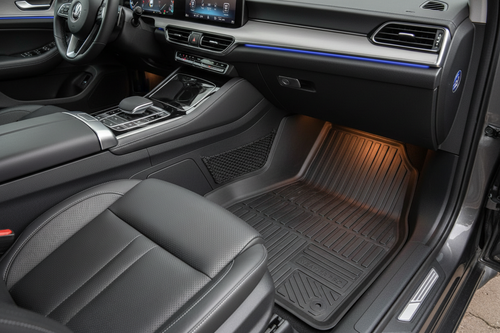
- ✅ Laser‑measured fit — custom TPE mats hug every curve of your footwell, so dirt stays on the mat, not under it.
- ✅ Super easy cleanup — soap + water + soft brush = brand‑new look in minutes.
🧼 Quick maintenance hacks (for busy people)
- 🫧 Regular rinse: take mats out, shake them, then hose down with lukewarm water. That removes 90% of daily grime.
- 🧽 Deep clean: mild dish soap + warm water and a soft‑bristle brush. Scrub in circles, rinse clean.
- 🌞 Air dry: hang vertical or lay flat, avoid extreme heat guns or pressure washers on max setting.
- 🚫 Never use: tire shine, strong degreasers, or bleach — they leave slippery residue and can damage TPE over time.
⚖️ TPE vs. Traditional Rubber: Head‑to‑Head
| Feature | Old‑school rubber | ✨ Modern TPE |
|---|---|---|
| 👃 Odor in summer | Strong “tire shop” smell, some off‑gassing | Virtually odorless, even after hours in blazing sun |
| ❄️ Cold weather performance | Gets stiff, can crack below freezing | Stays flexible down to -40°F |
| ♻️ Recyclable / eco‑status | Mixed; synthetic blends may contain phthalates | 100% recyclable, often GRS‑certified, no heavy metals |
| 💵 Typical price range | Lower upfront (universal fit) | Higher initial but lasts years longer, custom fit |
| 🧼 Cleaning difficulty | Easy, but absorbs stains over time | Super slippery surface, dirt slides right off |
| 📐 Fit precision | Often universal or semi‑custom gaps | 3D laser‑scanned for your exact vehicle model |
🧬 So what the heck IS TPE, really?
In geek speak: Thermoplastic Elastomer is a hybrid material that behaves like rubber but processes like plastic. That means manufacturers can injection‑mold it into super precise shapes without the vulcanization process (the stinky, energy‑intense step used for most rubber). Because no vulcanization is required, TPE production uses less energy and creates near‑zero volatile organic compounds (VOCs) — the stuff that gives cheap mats that headache‑inducing smell.
Why should you care? Well, automotive engineers at places like Kraiburg TPE and HEXPOL have spent years fine‑tuning TPE for car interiors. The final product is highly scratch and abrasion resistant, non‑slip even when wet, and free of harmful substances like formaldehyde, cadmium, and lead[reference:0]. In fact, the Red Dot Design Award recently went to a fully TPE car mat because of its environmental compatibility and safety .
🚫 Most common TPE mistakes (and how to skip 'em)
❌ “All weather mats are the same” — Nope. Cheap TPE can use recycled regrind that cracks in winter. Always look for “virgin / automotive grade” on the spec sheet.
❌ “I’ll just pressure wash aggressively” — High pressure can lift edges. Use a regular garden hose with moderate pressure.
❌ “I don’t need custom fit” — Universal mats leave gaps where salt and sand destroy your carpet. Custom‑molded TPE covers every millimeter.
❌ “Smell will disappear after a few weeks” — That’s a rubber problem. TPE never had the smell to begin with. If your mat smells, it’s not TPE.
🎯 Who should run TPE mats?
🏔️ Ski trip warriors / winter drivers: TPE’s low‑temp flexibility means no cracked mats when you’re scraping ice.
👶 Parents & pet owners: Non‑toxic, odorless. Spilled milk or muddy paws won’t make the cabin stink.
🔋 EV owners: Tesla, Polestar, Rivian owners love TPE because it’s lightweight (helps range) and aligns with their eco‑values.
☀️ Sunbelt drivers (Texas, Arizona, Cali): TPE won’t warp or “melt” under extreme dashboard heat like cheap rubber can.
🧘 Health‑conscious buyers: zero phthalates, lead, or BPA. Breathe easy.
🗣️ Real questions we get from drivers (no BS answers)
✅ Yes — if you buy a custom‑fit set made for your exact make/model/year. We scan footwells in 3D, so you get edge‑to‑edge coverage.
🐾 Actually the opposite: TPE is formulated to be non‑slip even with water, mud, or snow. The material has naturally high friction — no sliding around while driving.
🔧 Absolutely. TPE has excellent abrasion resistance and won’t crack or curl like rubber often does. For extreme oil / chemical exposure, rubber may still have an edge, but for 95% of truck owners, TPE is a durable upgrade.
🌍 Yes — TPE is fully recyclable. Some manufacturers even offer take‑back programs. When you buy from a responsible brand, you’re keeping waste out of landfills.
⚠️ Yes! Even though TPE mats have anti‑skid spikes, using the factory clips ensures zero pedal interference. Safety first, always.
🧼 How to clean TPE mats like a pro (so they last 10 years)
Cleaning TPE is ridiculously easy, but tiny mistakes can shorten its lifespan. Here’s the routine we follow:
- Shake & vacuum: Remove mats and give them a good shake. Then use a vacuum with a brush attachment to get fine dust out of the channels[reference:2].
- Pre‑rinse: Hose down with lukewarm water (never boiling). This loosens mud and salt[reference:3].
- Soap & scrub: Mix mild dish soap (like Dawn) with warm water. Scrub gently with a soft nylon brush — circular motions work best for textured areas[reference:4].
- Rinse thoroughly: Make sure no soap residue remains. Soap can become slippery if left behind.
- Air dry: Hang mats vertically or lay flat in the shade. Don’t use a heat gun or leave them in direct sun for hours.
|
Custom Fit TPE Floor Mats for Chevrolet Silverado 1500 2500HD 3500HD Crew Cab 2019-2025What floor mats fit Chevrolet Silverado Crew Cab 2019-2025 without looking bulky
|
||
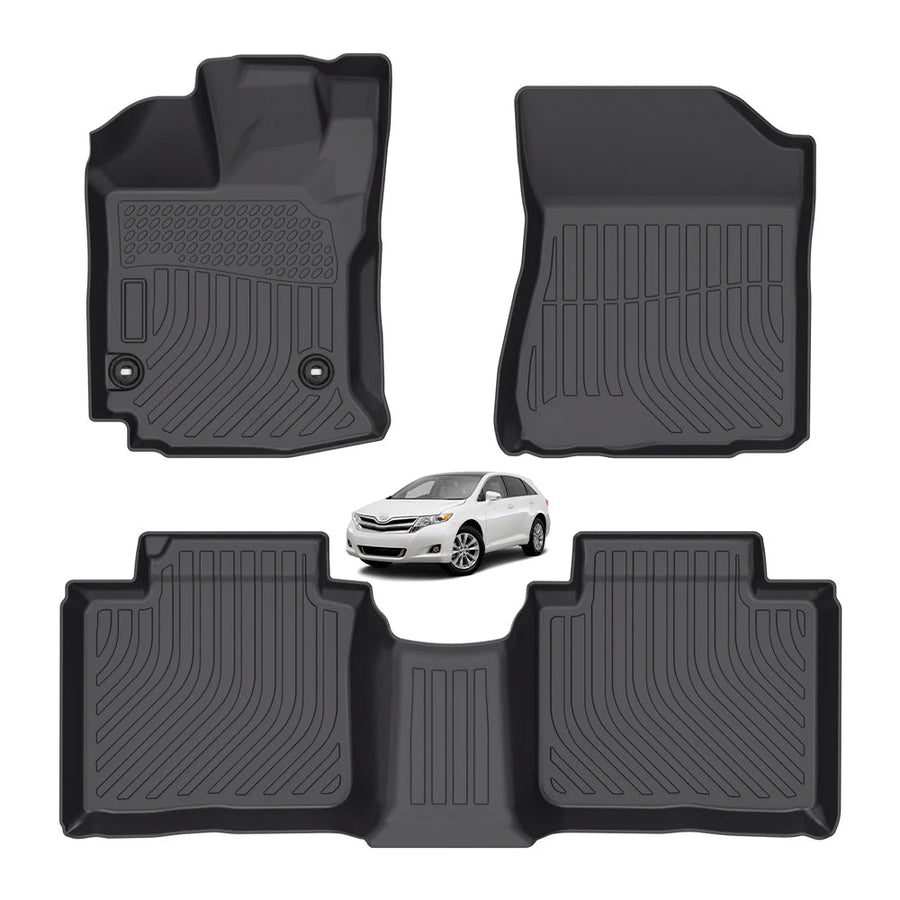 |
Custom Fit TPE Floor Mats for Toyota Venza 2013-2016 2021-2024Do custom floor mats for Toyota Venza actually fit better than universal ones
|
|
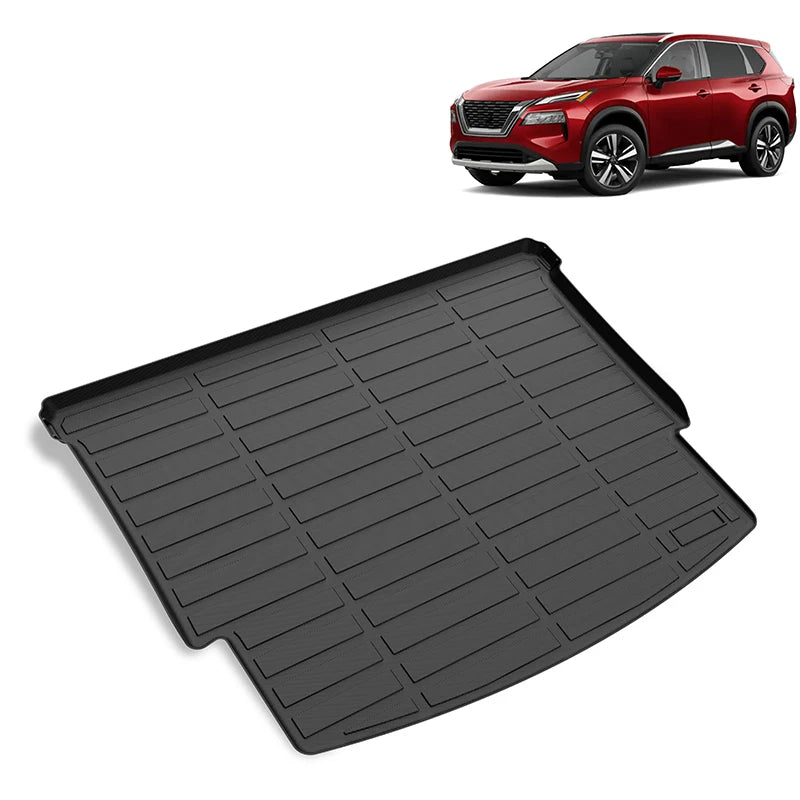 |
Custom Fit TPE Trunk Mat for Mitsubishi Montero Pajero Sportwhat’s a good trunk mat for mitsubishi montero pajero sport that’s easy to clean
|
|
|
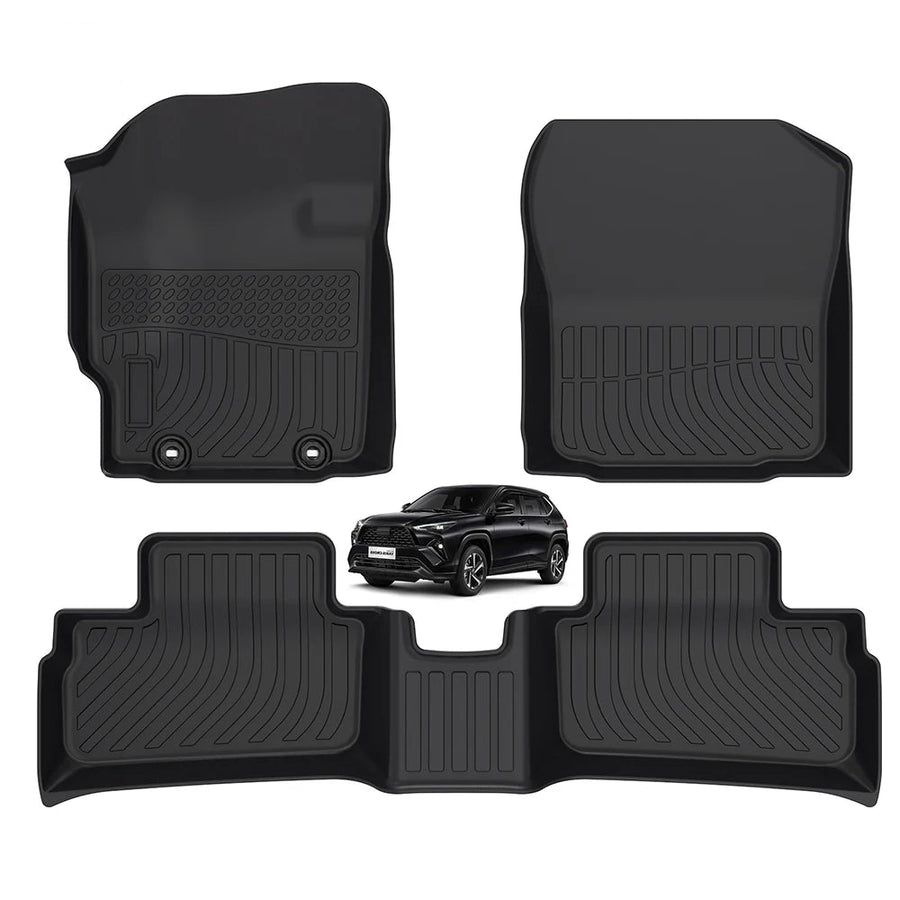
Toyota Yaris Cross 2023 Custom Fit TPE Floor Mat SetLooking for custom fit floor mats for a Toyota Yaris Cross 2023
|

🌱 Why eco‑conscious drivers choose TPE
TPE contains zero phthalates, cadmium, lead, or formaldehyde — substances found in some cheap rubber and PVC mats that can off‑gas into your cabin[reference:5]. Many TPE formulas also integrate recycled content. For example, some advanced TPE compounds now include up to 50% recycled material from end‑of‑life tires, giving old rubber a second life[reference:6]. Plus, the production process itself uses less energy because TPE is injection‑molded without vulcanization. That’s a smaller carbon footprint, period.
⏳ Long‑term value: TPE vs rubber
Yes, TPE mats cost more upfront — usually between $100 and $200 for a full custom set. But cheap rubber mats often curl, crack, or stink within 1‑2 years, forcing a replacement. TPE holds its shape and stays odor‑free for 5‑10 years easily. Do the math: replacing cheap rubber twice over 5 years often costs more than buying quality TPE once. Not to mention the stress and time saved. Your car, your lungs, and your wallet will thank you.
⚡ Ready to upgrade your ride’s interior?
TPE floor mats offer the perfect blend of durability, health, and convenience — without weird smells or planet‑guilt. Whether you drive a Toyota, Ford, Tesla, or Mercedes, we’ve got a laser‑measured TPE set for you.


