

Let’s be honest. Your floor mats have seen things. That muddy hike last spring? Permanent guest. The coffee you slammed on the brake for? Still there. And winter road salt? Yeah, that white crust isn’t going anywhere on its own. But here’s the thing—cleaning rubber and TPE floor mats doesn’t have to be a Saturday‑destroying chore. In fact, with the right method, you can go from “what died in here?” to “did I just buy new mats?” in about six minutes. Let me show you how.
Before we dive in, quick material check: TPE (Thermoplastic Elastomer) is the newer, more advanced material. It’s flexible like rubber but odorless, eco‑friendly, and doesn’t get brittle in freezing temps like cheap rubber can[reference:0]. TPE is what you’ll find on most premium custom‑fit mats today. Rubber is the classic—tough, waterproof, but can get stiff when it’s really cold. Cleaning process? Almost identical. So whatever you’ve got under your heels, this guide works.
🧴 First, Know the Difference: Rubber vs. TPE
Here’s a quick cheat sheet so you know what you’re working with:
- Rubber mats: Traditional, durable, all‑weather. Can be heavy and develop a strong chemical smell when new. More prone to cracking in extreme cold and fading under UV exposure over time.
- TPE mats: Newer material. Odorless out of the box, flexible even in freezing temperatures, eco‑friendly, and resists cracking and fading much longer than standard rubber[reference:1].
That said, both clean the exact same way. So you don’t need to memorize separate instructions for each. One method, two materials, done.
⚡ The Quick Clean (5 Minutes, Weekly)
Most of the time, your mats don’t need a full restoration—they just need the loose stuff gone. This is your weekly maintenance routine. Do it every time you fill up gas or every Sunday afternoon. It takes less time than scrolling Instagram reels.
Step 1 — Yank and shake. Pull the mats out, carry them away from the car, and give them a solid shake. Hit them against a hard surface a few times. You’ll be surprised how much sand, gravel, and leaf debris comes flying out[reference:2].
Step 2 — Hose it down. Use a garden hose or pressure washer (yes, rubber/TPE mats can handle pressure washers—unlike carpet mats that fall apart). Spray from top to bottom so you don’t push dirt deeper into the grooves[reference:3].
Step 3 — Air dry. Lean them against a wall or hang them over a fence for 15‑20 minutes. Don’t put them back wet. Trapped moisture under the mat leads to mold and that funky smell you can’t get rid of[reference:4].
That’s it. Five minutes. Your floor mats are now 80% cleaner than they were, and your car smells like fresh air instead of a wet dog.
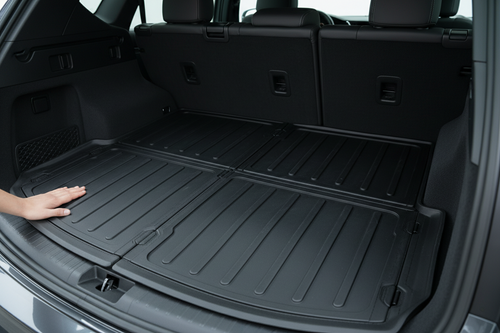

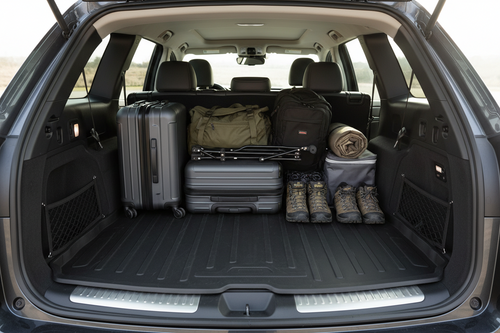
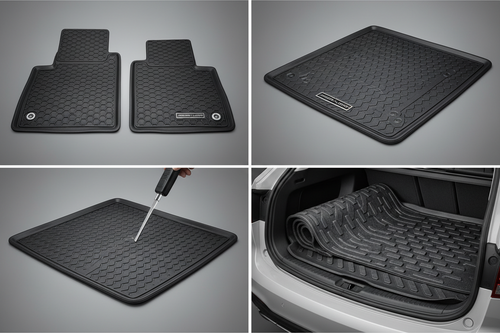
🧽 The Deep Clean (When Things Get Nasty)
Okay, maybe you’ve neglected your mats for a while. Maybe there’s a dried coffee stain that’s been there since last Christmas. Maybe the driver’s heel area is gray instead of black. Time for the deep clean. This takes 15‑20 minutes but the results are jaw‑dropping.
What You’ll Need
- Mild dish soap (Dawn works great) or a dedicated wheel cleaner (Adam’s Wheel & Tire Cleaner is a fan favorite)[reference:6]
- Stiff‑bristled brush or a drill brush attachment (trust me, this is a game changer)
- Garden hose or pressure washer
- White vinegar (for salt stains — more on that below)
- Rubber protectant (optional — but skip tire shine, more on that too)
Step‑by‑Step Deep Clean
1. Remove and shake. Same as the quick clean, but be more thorough. Beat the mats against the ground a few extra times. You want as much loose stuff gone before water touches them.
2. Pre‑rinse. Hose everything down. For rubber and TPE, you can be aggressive here. Get into every groove with the water pressure.
3. Apply cleaner. Spray or pour your cleaning solution over the entire mat surface. If you’re using wheel cleaner, make sure the whole top is wet so the solution can break down the dirt properly[reference:7]. Let it sit for 2‑3 minutes—just enough time for the chemicals to start lifting the grime.
4. Scrub. This is where the magic happens. If you have a drill brush attachment, attach a soft white brush to your drill, set it to low speed, scrub in one direction, then cross‑scrub perpendicular to hit all the grooves[reference:8]. No drill? A stiff‑bristled brush and elbow grease works fine—just expect to work a little harder. Pay attention to the driver’s heel area, the perimeter edges, and any deep textured sections.
5. Rinse. Don’t let the cleaner dry on the mat—rinse immediately. Watch all that gray foam and dirt wash away. Flip the mat and rinse the underside too. Keep rinsing until the water runs clear and the surface doesn’t feel slippery or soapy.
6. Dry completely. Hang the mats or lean them against a sunny wall. A few hours in the sun is best. If you’re in a hurry, towel them down and then let them air dry for at least another hour. Never reinstall wet mats — moisture underneath promotes mold growth and can interfere with the mat’s grip on the carpet[reference:9].
❄️ Winter Salt Removal (The Special Case)
If you live anywhere that sees snow, you know the pain. That white crusty residue isn’t just ugly—it’s actively damaging your mats. Salt is hygroscopic (big word, simple meaning: it pulls moisture from the air), which keeps your mats damp even when they look dry. That constant moisture leads to mold, mildew, and material degradation over time[reference:10].
Winter salt cleaning hack: Add one cup of white vinegar to your bucket of warm water. Warm water dissolves salt crystals better than cold water. Vinegar neutralizes salt’s alkaline properties and prevents future buildup[reference:11]. Let the solution sit on the mat for 5‑10 minutes before scrubbing. Then rinse thoroughly. This simple trick can prevent that cracked, brittle look that ruins mats after just one winter season.
One more thing: salt loves to hide in deep grooves. After scrubbing, flip the mat over and check the underside where salt crystals often collect. You might need a second pass.
🚫 What NOT to Use (Seriously, Read This)
This section might save you money—or a crash. Mazda’s official owner’s manual is crystal clear: do not use tire cleaner or tire shine on rubber floor mats. Those products are designed for sidewalls, not stepping surfaces. They leave a slick, slippery film on the mat that doesn’t go away. And that slippery surface? It can cause your foot to slide right off the pedal at the worst possible moment[reference:13].
Other things to avoid:
- Bleach — discolors rubber and weakens the material structure.
- Harsh degreasers (undiluted) — they can dry out rubber and cause cracking over time.
- Abrasive scrub pads — steel wool or harsh scouring pads will scratch the surface and ruin the texture.
- Letting any cleaner dry on the mat — residue is harder to remove than the original dirt.
Stick to mild dish soap, pH‑neutral cleaners, or dedicated wheel/tire cleaners specifically tested for rubber floor mats. If you’re unsure, test the cleaner on a small, hidden area first.
✅ Safe Cleaners for Rubber/TPE
- 🧴 Mild dish soap + warm water
- 🚗 Adam’s Wheel & Tire Cleaner
- 🍶 White vinegar (diluted, for salt)
- 🧼 Car wash soap (diluted)
- 💧 Just plain water + stiff brush
❌ Never Use These
- ⚠️ Tire shine or rubber conditioner
- ⚠️ Bleach (discolors and weakens)
- ⚠️ Undiluted degreasers
- ⚠️ Steel wool or abrasive pads
- ⚠️ Any cleaner that leaves a slippery film
🔧 Pro Tips for Stubborn Stains
Some stains are tougher than others. Here’s how to handle the worst offenders:
Oil and grease stains: Dish soap contains surfactants that break down oil molecules. Apply Dawn or similar directly to the stain, let it sit for 5 minutes, then scrub in small circular motions. Multiple light applications work better than one aggressive scrub that might damage the rubber texture[reference:14].
Mud that’s been baked on for weeks: Pre‑soak the mat with warm water for 10 minutes before applying any cleaner. The water softens the hard clay or dried mud, letting your cleaner actually reach the mat surface underneath.
Mold or mildew spots: Mix equal parts white vinegar and water, spray the affected areas, let it sit for 15 minutes, then scrub and rinse thoroughly. For stubborn spots, a bleach solution (1 part bleach to 10 parts water) works but requires extra rinsing—multiple passes with clean water[reference:15].
🧺 Drying and Reinstallation: The Forgotten Step
You’ve scrubbed, you’ve rinsed, the mats look amazing. Now don’t ruin all that work by throwing them back in wet. Drying is not optional.
Hang mats over a fence, lean them against a sunny wall, or lay them flat in direct sunlight. A few hours should do it. If it’s cloudy or cold, bring them inside and let them dry overnight.
Here’s the part everyone forgets: After cleaning, when you put the mats back in the car, re‑engage the retention clips. Look for the factory anchor points—usually metal hooks or plastic posts embedded in the carpet. Make sure your mat’s grommets are locked onto them. Give the front edge a tug. If it moves more than a centimeter, it’s not secure. A loose mat is a dangerous mat. NHTSA has documented multiple recalls (Toyota, GM, Lucid) due to unsecured mats interfering with pedals. Don’t be that driver.
📅 How Often Should You Deep Clean?
Here’s a realistic schedule based on how you drive:
- Light use (dry climate, highway miles): Quick clean every 2‒3 weeks, deep clean every 3‒4 months.
- Normal use (some rain, occasional dirt): Quick clean weekly, deep clean every 2 months.[reference:16]
- Heavy use (mud, snow, pets, kids): Quick clean twice a week, deep clean monthly.
- Rideshare / delivery driver: Quick clean every 2‒3 days, deep clean every 3‒4 weeks.
Regular cleaning doesn’t just make your car look better—it extends mat lifespan by 2‑3 years and prevents permanent staining[reference:17].
✨ Restoring Faded Mats (Bringing Black Back)
If your rubber mats have turned a sad, ashy gray, you have options. First, try a deep clean with a degreaser or wheel cleaner—sometimes the “fading” is just years of embedded dirt. Still gray after that? You can use a rubber protectant (not tire shine — protectants are different). Brands like 303 Aerospace Protectant are safe for rubber and TPE and restore that deep black color without making the surface slippery. Test on a small corner first.
One tip: if you do use a protectant, let it sit for 10 minutes and then wipe off the excess with a clean microfiber cloth. You want the conditioning effect, not a greasy film.
And if your mats are beyond saving—cracked, worn through at the heel, curling edges that won’t flatten—it might be time to replace them. Consider upgrading to TPE custom‑fit mats. They’re easier to clean, last longer, and stay looking new with less effort.
💡 The Bottom Line
Cleaning rubber and TPE floor mats isn’t complicated. You don’t need expensive products (mild dish soap works fine). You don’t need a pressure washer (a garden hose works). But you do need to do it regularly. A five‑minute shake and rinse every week prevents the deep‑clean nightmare where you’re scrubbing for 45 minutes because you waited six months.
Your mats are the hardest‑working part of your car’s interior. They catch everything your shoes track in. Treat them right, and they’ll protect your carpet, improve your resale value, and make your daily drive feel a whole lot nicer. Now go give those crusty mats the bath they deserve.
🚗 Find Mats for YOUR Car → Shop Easy‑Clean TPE Mats
Sources: Fitgear UK cleaning guide, GoMyReview scrub test, Right Car Detailing deep clean guide, Car Care Assist expert tips, Mazda Canada owner’s manual, and Clean Freak Car Wash seasonal maintenance guide. All methods field‑tested on actual rubber and TPE mats.


