

How to Find the Right Fit Car Floor Mats for Your Vehicle
Finding floor mats that actually fit should not feel like a scavenger hunt. But once you start browsing, it is easy to end up lost between universal options, “close enough” listings, trim differences, drive-side details, and photos that somehow make everything look compatible. This guide keeps it simple and practical, so you can choose mats that sit right, cover the right areas, and feel like they belong in your car from day one.

Here is the thing a lot of buyers realize too late: floor mats can be technically “for your car” and still not feel right once they arrive. They slide a little. The edge stops short in a weird spot. The pedal area looks awkward. The back row coverage feels lazy. The trunk is still a mess. Or the whole thing just gives off that slightly off-brand energy, like the mats are visiting your vehicle instead of actually belonging there.
That is why fit matters so much. Not in a dramatic showroom way. In a real-life way. You notice fit every time you get in the car. You notice whether the mat sits neatly. You notice whether dirt lands where it should. You notice whether cleanup feels fast or annoying. You notice whether the interior looks tidy or pieced together. And because driving is repetitive, even a small mismatch gets repeated over and over again until it becomes one of those tiny things that quietly bothers you every day.
That is also why more buyers are moving toward vehicle-specific shopping paths instead of generic browsing. The current AutoMatSupply storefront is structured around floor mats, trunk mats, seat back protectors, vehicle-based routes, material-based routes, custom options, and support pages built around fitment, materials, ordering, care, installation, and FAQs. That kind of structure reflects how people actually search now: by vehicle, by use case, and by whether something will really work for their life. It is much easier than scrolling endless mixed listings.
So if you are trying to avoid the classic “looked fine online, feels wrong in person” situation, this guide is the right place to start. We are going to break down what fit really means, what details matter before you buy, why drive side can make a huge difference, when full sets make more sense than front-only, and how to make the whole process feel less like decoding a part number and more like buying something useful for everyday life.
Why “fit” matters more than people expect
People often think of floor mats as basic accessories, but fit changes almost everything about how they perform. When the shape is right, the mat sits naturally inside the vehicle. It covers the places people actually step, tracks with the lines of the interior, and feels like part of the car instead of an afterthought. When the shape is wrong, even a decent material starts losing points fast.
You notice the difference in small ways first. Maybe your foot catches the edge more than it should. Maybe the rear mat leaves extra exposed carpet where dirt always lands. Maybe the driver side looks almost right but not clean enough to feel satisfying. Maybe the whole cabin loses that tidy look because the mat shape clashes with the interior layout. None of these sound huge on their own, but together they change how the vehicle feels every day.
And that is why people who have used both generic mats and vehicle-fit mats tend to become very opinionated about it. Once you have had mats that actually follow the floor layout properly, it is hard to enjoy something vague and loose again. The better fit creates less movement, better coverage, cleaner visuals, and often faster cleanup. That combination is worth more than a flashy product title.

What a good fit usually gives you
Cleaner edges, better coverage where feet actually land, less shifting, a more polished cabin look, and fewer annoying little cleanup misses.
What a weak fit usually creates
Gaps, awkward corners, less confidence around pedals, exposed carpet in high-traffic spots, and that constant feeling that the mats are almost right.
Start with the exact vehicle details
This sounds simple, but it is where a lot of buying mistakes begin. Buyers sometimes search too broadly. They know the brand and maybe the model, but they skip year range, trim differences, seating layout, or drive side. Then they wonder why the mats do not line up the way they expected.
The current AutoMatSupply storefront is set up around vehicle-fit paths and specifically calls out make, model, year range, generation details, drive side, material choice, and logo minimums as part of how the site is meant to guide buyers. That is exactly the right idea. Fit is not just one piece of information. It is a set of details working together.
The basic details you should always lock in
- Vehicle make
- Vehicle model
- Year range
- Generation, if relevant
- Seating layout if the product mentions it
- Drive side if you are shopping internationally or for right-hand-drive vehicles
Why does this matter so much? Because floor layouts are not universal even when two vehicles sound similar. A newer generation may shift the pedal area or center hump. A hybrid or EV version may have different floor geometry. A right-hand-drive layout can change the entire driver-side shape. Those details are not small. They are the difference between a product that feels designed for your vehicle and one that feels like a compromise.
If you want to start with the most reliable shopping path, the live By Vehicle section is the cleanest first click because it keeps fitment at the center of the search.
Why make, model, and year range are not “close enough” details
A lot of people think in broad categories. Same car, similar years, probably fine. Sometimes that works. Sometimes it really does not. Carmakers update cabins more often than buyers notice. A refresh can alter the floor contour. A generation change can shift where the anchors or footrest zone sit. A special version can change the layout enough that the mat shape needs to change too.
This is especially true if you are shopping for newer vehicles, vehicles sold across multiple markets, or vehicles with both left-hand-drive and right-hand-drive versions. That is why the site’s fitment-first structure and current product naming patterns matter: they often include very specific year ranges and drive-side notes rather than broad catch-all language.
| Detail to confirm | Why it matters | What can go wrong if you skip it |
|---|---|---|
| Make and model | Base vehicle shape and cabin layout | Wrong overall fit |
| Year range | Interior updates and redesigns happen across years | Edges, pedal area, or rear floor do not line up |
| Generation | Different platform, different floor geometry | Coverage feels obviously off |
| Drive side | Driver area shape can be reversed | Driver mat becomes unusable or awkward |
| Seat count or layout | Rear and cargo usage can change | Missing coverage where you need it most |
Drive side can completely change whether the mats work
This is one of the biggest things buyers overlook when they are shopping across markets or sourcing mats for export, dealer, or fleet use. Left-hand-drive and right-hand-drive layouts are not just mirror-image trivia. They affect the shape of the most important mat in the set: the driver side.
The live AutoMatSupply home page and product structure explicitly mention drive-side routing and fitment organization, which is smart because it brings this question earlier in the process instead of letting it become a support problem later.
If your vehicle is right-hand drive, that detail should not be a footnote. It should be one of the first things you confirm. The same goes if you are sourcing for multiple regions. A mat that fits beautifully for one drive-side layout may be wrong for the other, especially around pedal clearance, footrest shape, and edge contour. So if the listing mentions RHD or LHD, pay attention. That is not filler text. That is functional information.
Why universal mats often feel like a short-term fix
Universal mats are tempting for obvious reasons. They sound flexible. They can feel easier. They seem like the lower-friction choice when you are trying to move fast. But for a lot of buyers, they are one of those “cheap now, annoying later” decisions.
The issue is not that universal mats never work. It is that they usually work in the loosest possible sense. They cover some area. They may look okay at first glance. But once you start using the car every day, the compromise shows up. Corners do not sit cleanly. Coverage misses high-traffic edges. The interior looks less integrated. The driver area feels less precise. Suddenly the money you saved feels a lot smaller than the daily friction you added.
That is why people who care about long-term satisfaction, cleaner interior presentation, and less cleanup hassle often end up back at vehicle-specific solutions anyway. You can save yourself that loop by starting with the right path. Browse Floor Mats if you want a general entry point, then narrow through By Vehicle once fit becomes the main question.
Front row only, or a full set?
A lot of buyers think the driver side is the whole story because that is the part they notice first. But depending on how the car gets used, the front mats may only solve part of the problem. Family vehicles, shared-use cars, pet-friendly interiors, and vehicles with regular rear-seat traffic often need broader thinking. If the back seats are active, or if the cargo area works hard, the best fit plan may not stop at the front row.
The live site currently includes paths for Front & Rear Mat Sets, Trunk Mats, and Seat Back Protectors, which is useful because it reflects how actual vehicle use spreads beyond the driver footwell. Some buyers need front-row precision. Others need whole-cabin logic.
If your vehicle handles kids, passengers, dogs, groceries, sports bags, or work gear, consider the fit of the whole environment, not just the front pair. A front-only upgrade can feel a little unfinished if the rest of the car still collects the same old mess in all the same places.
|
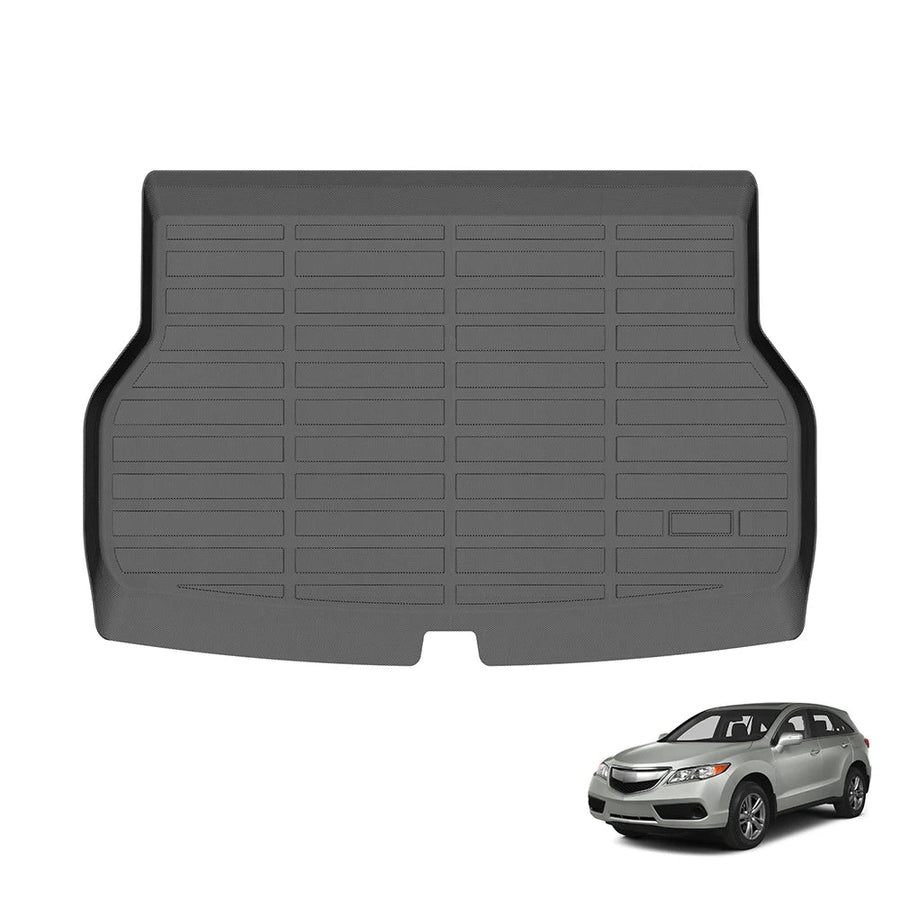
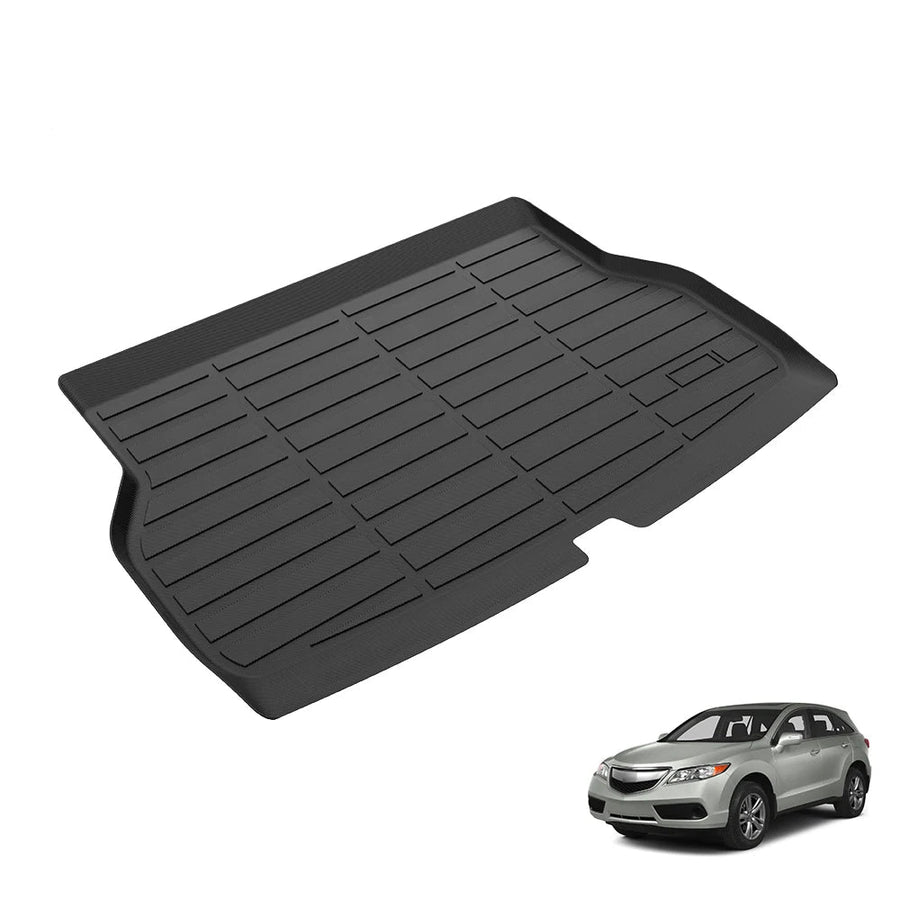
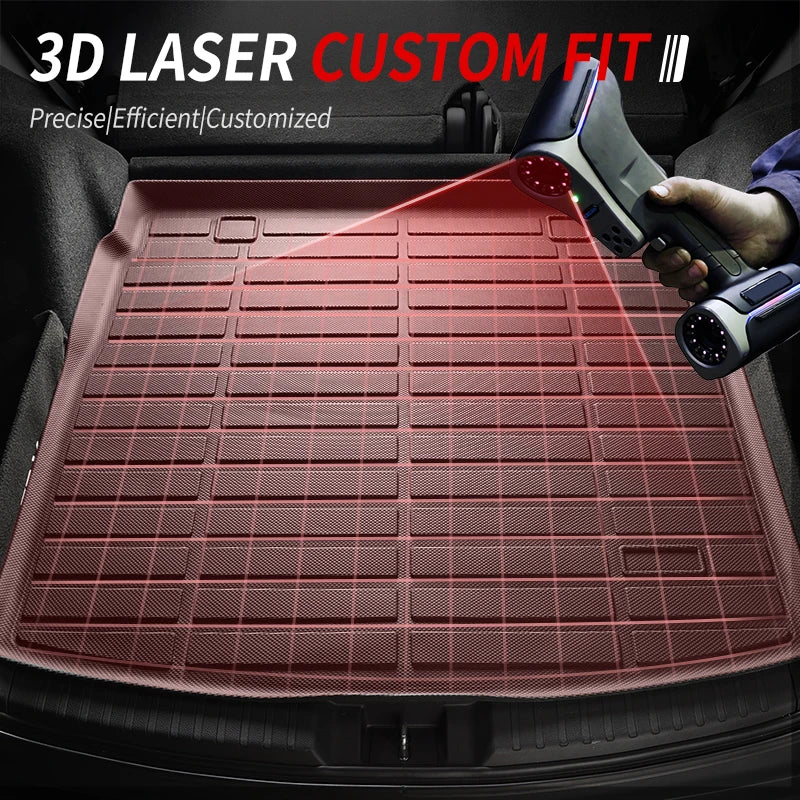
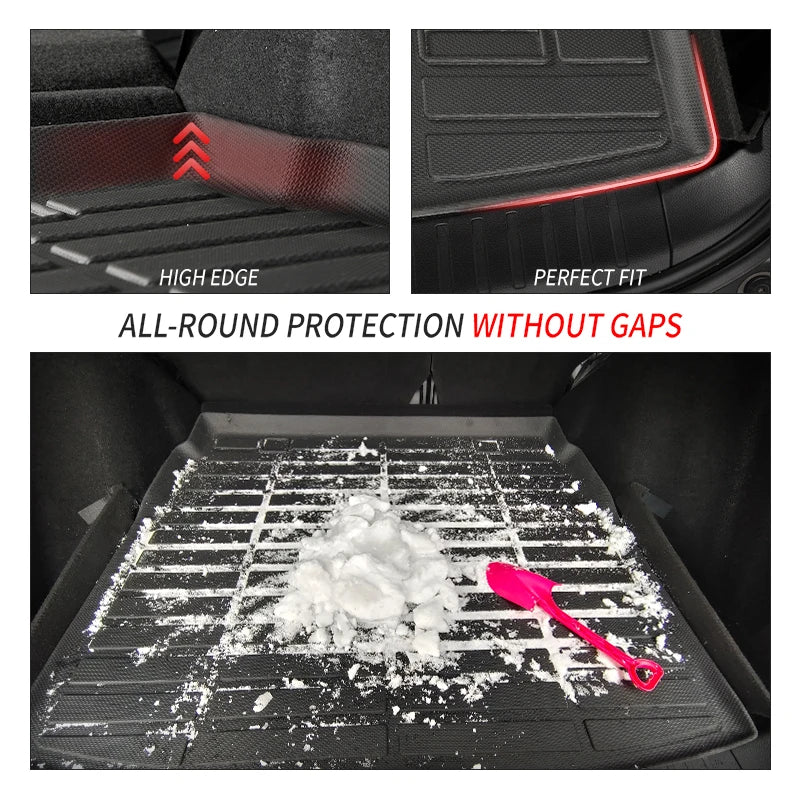
Custom Fit TPE Trunk Mat for Acura RDX 2013-2025What trunk mat fits Acura RDX without that bulky universal-mat look
|
|
|
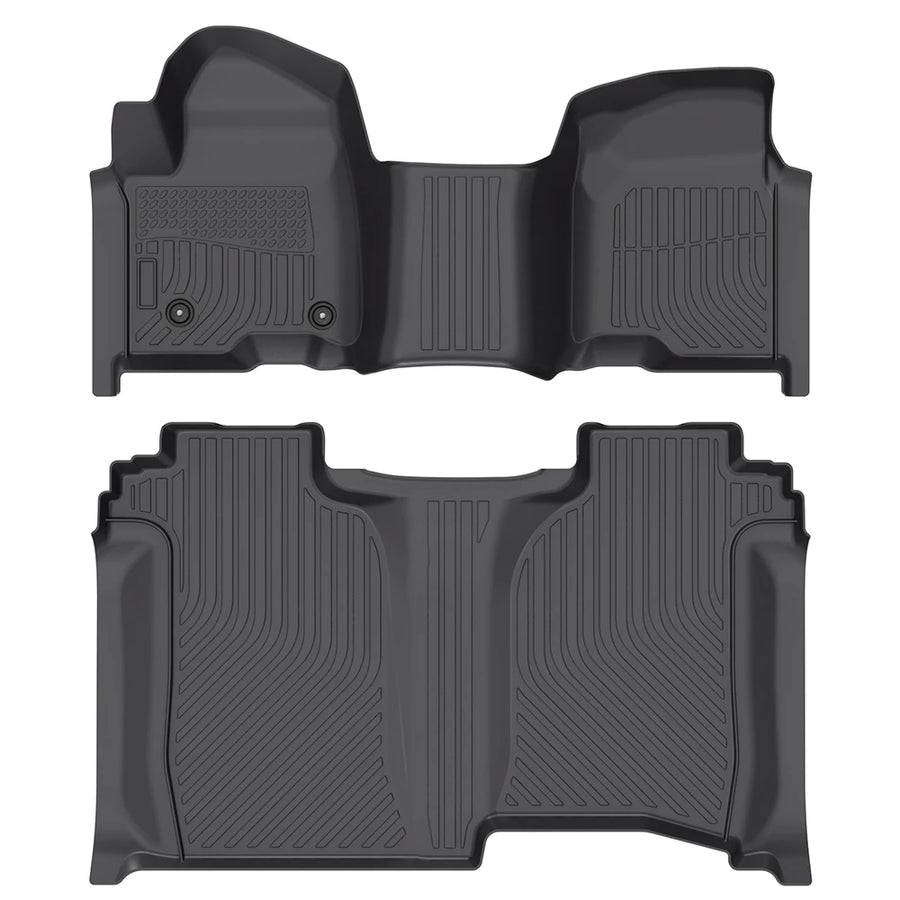
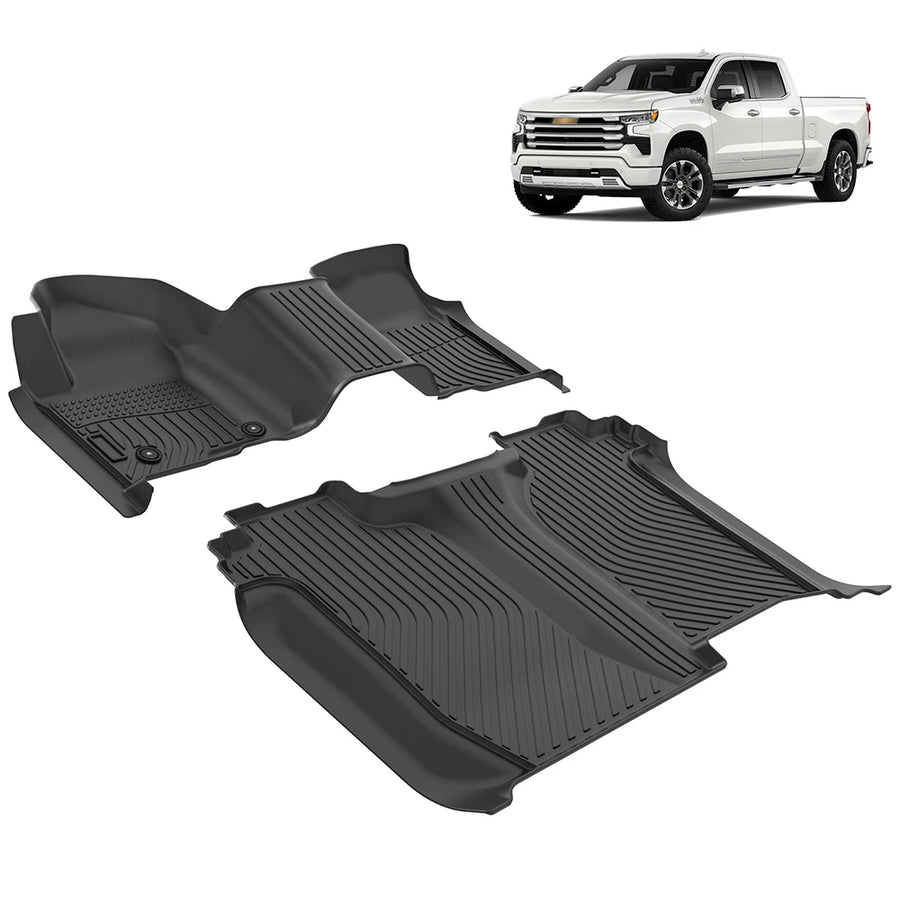
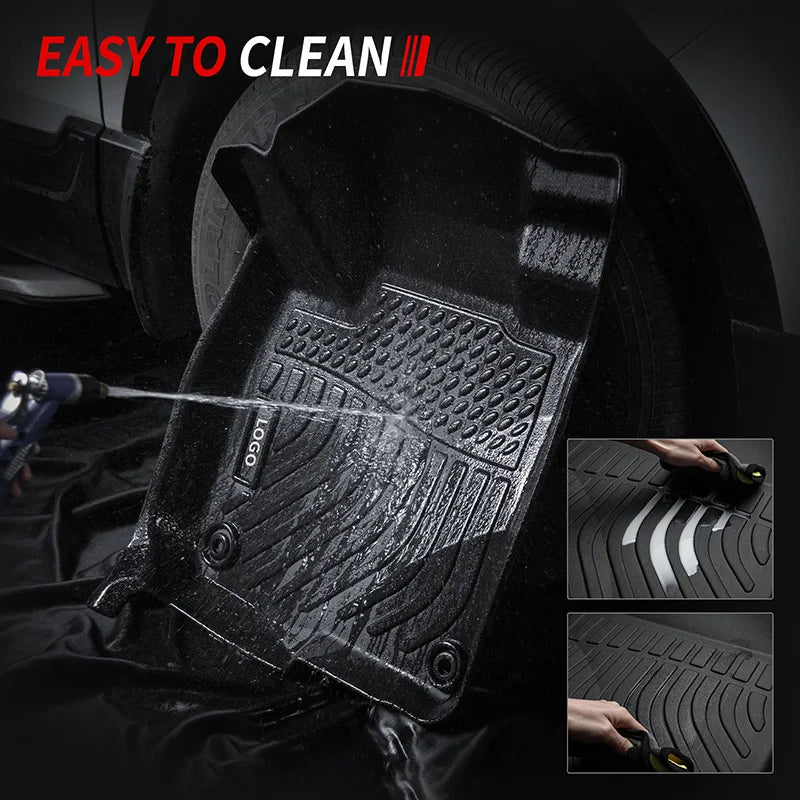
Custom Fit TPE Floor Mats for Chevrolet Silverado 1500 2500HD 3500HD Crew Cab 2019-2025What floor mats fit Chevrolet Silverado Crew Cab 2019-2025 without looking bulky
|
|
|
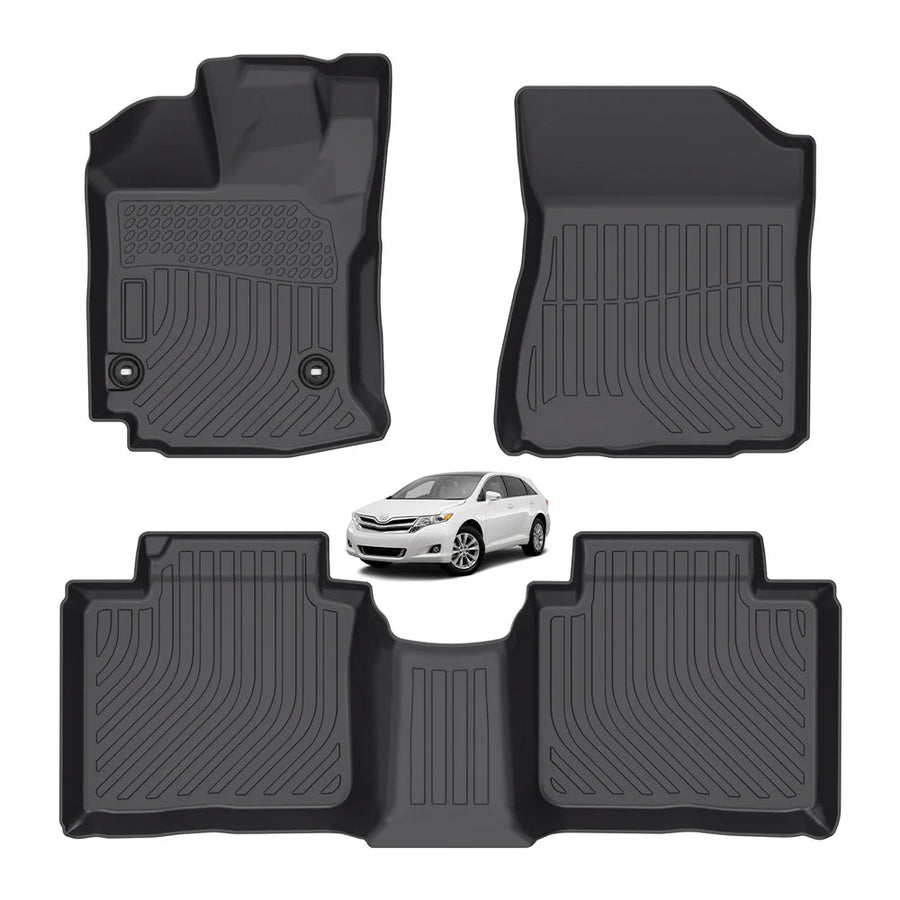
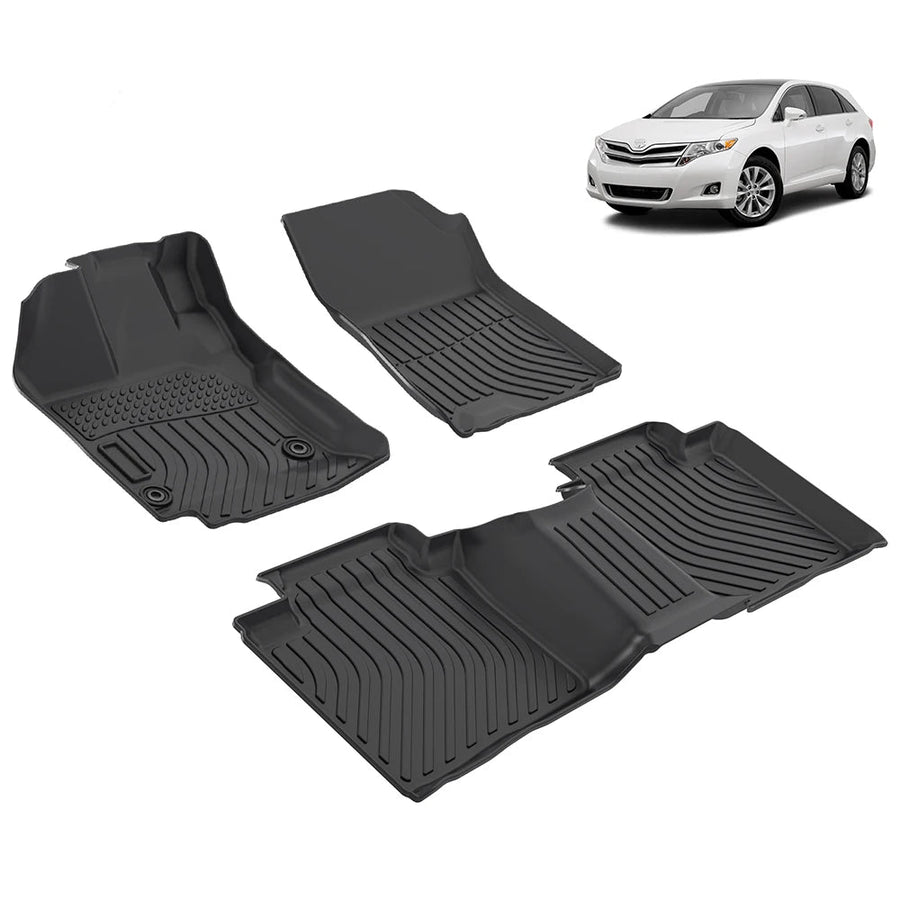
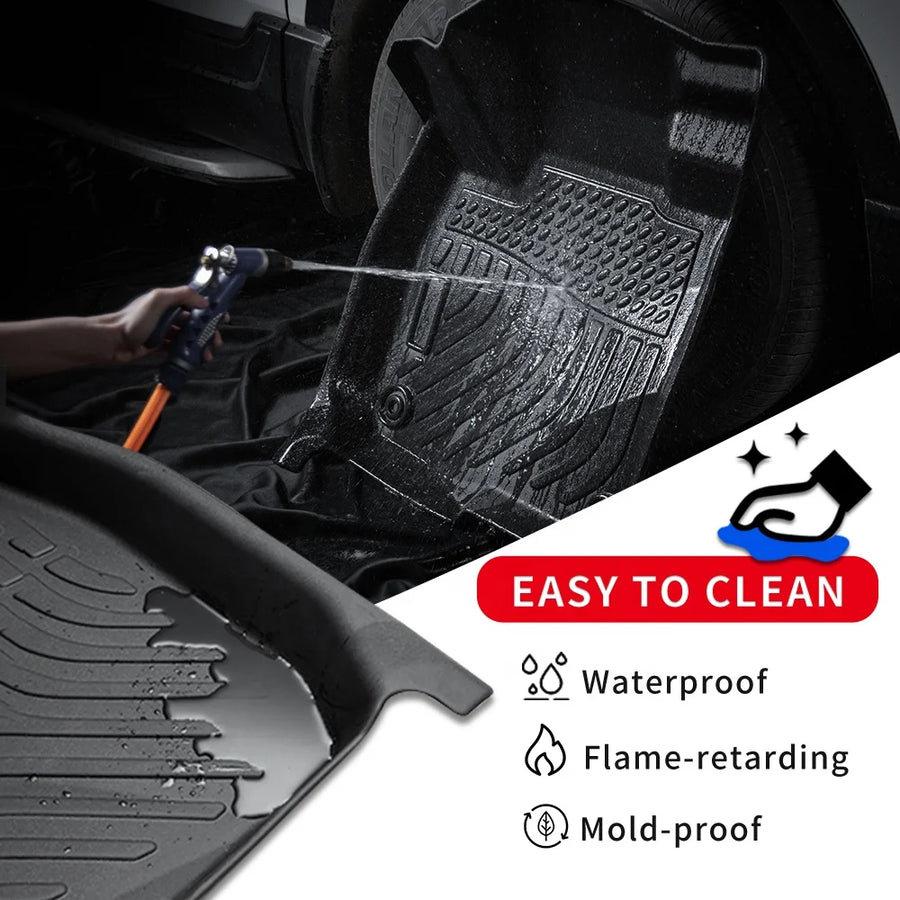
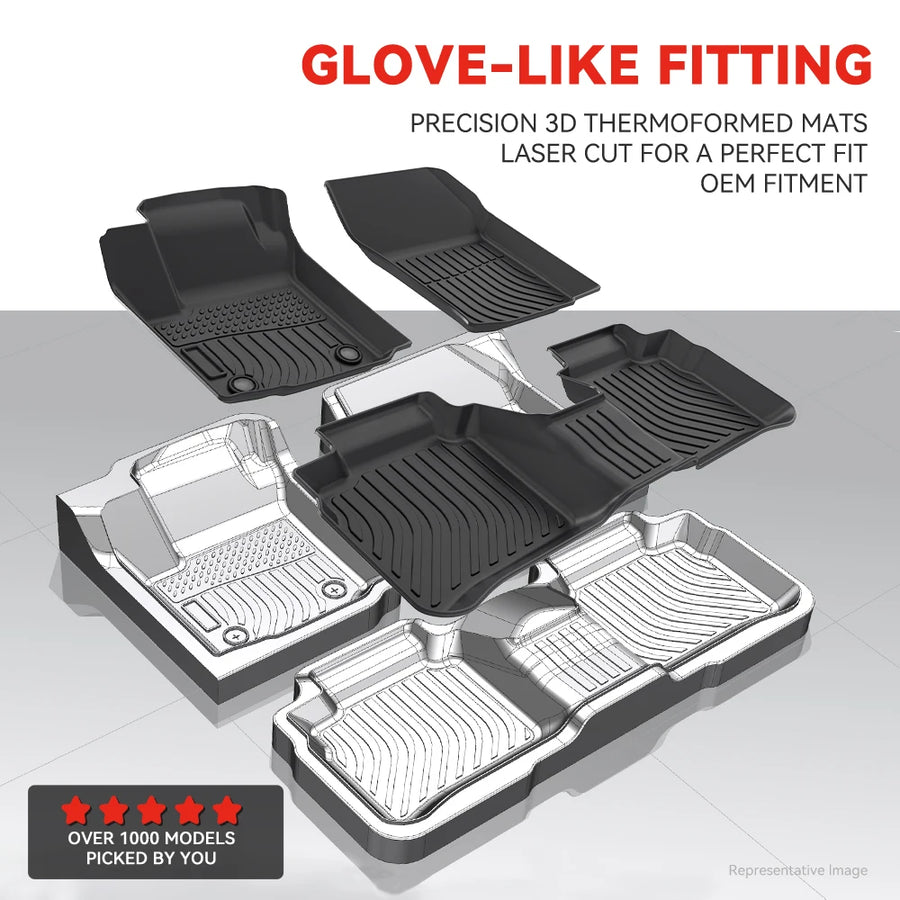
Custom Fit TPE Floor Mats for Toyota Venza 2013-2016 2021-2024Do custom floor mats for Toyota Venza actually fit better than universal ones
|
|
|
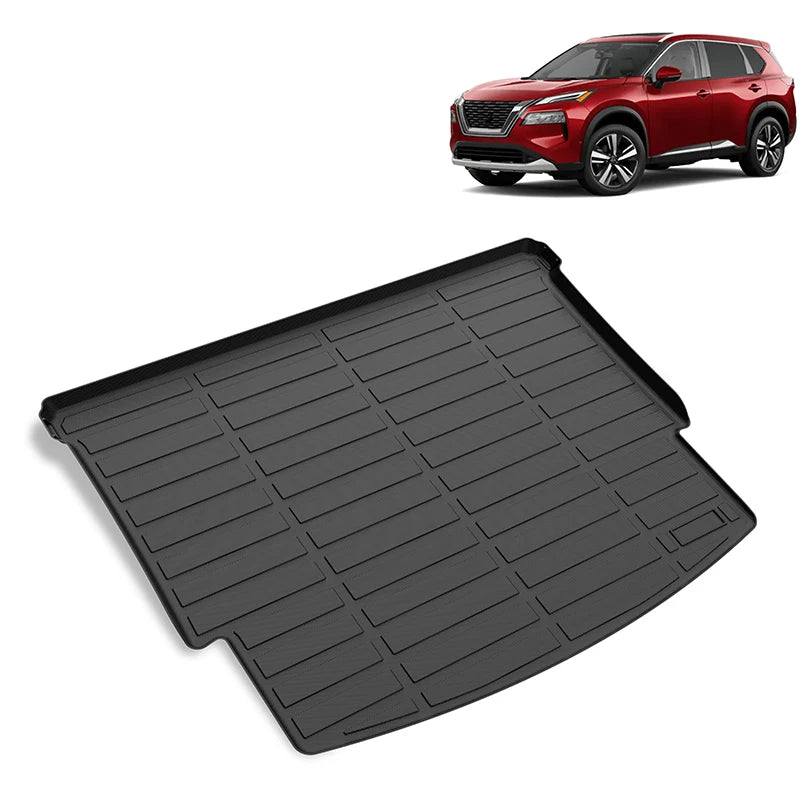
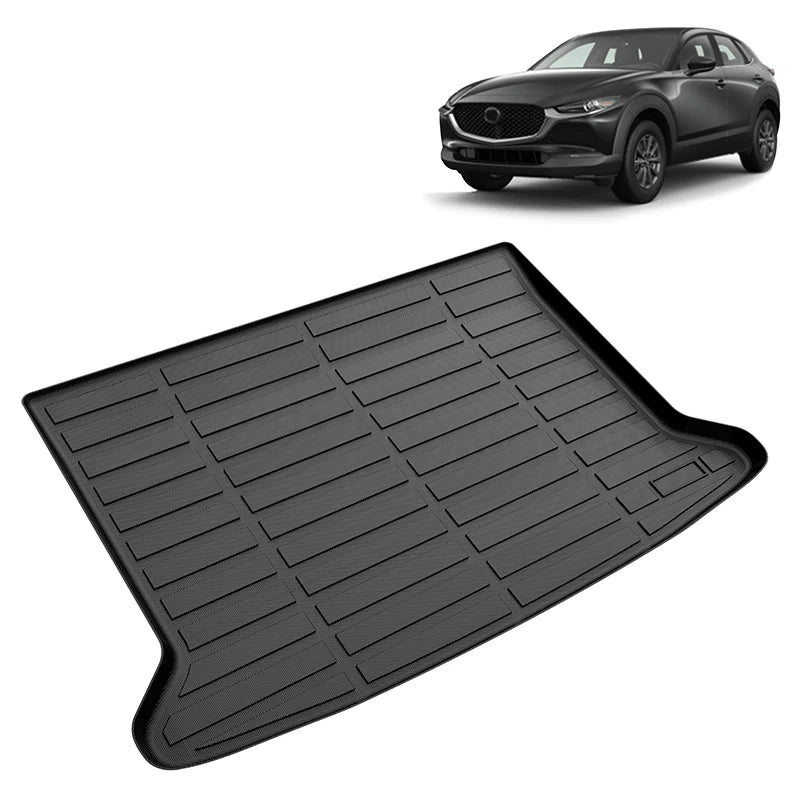
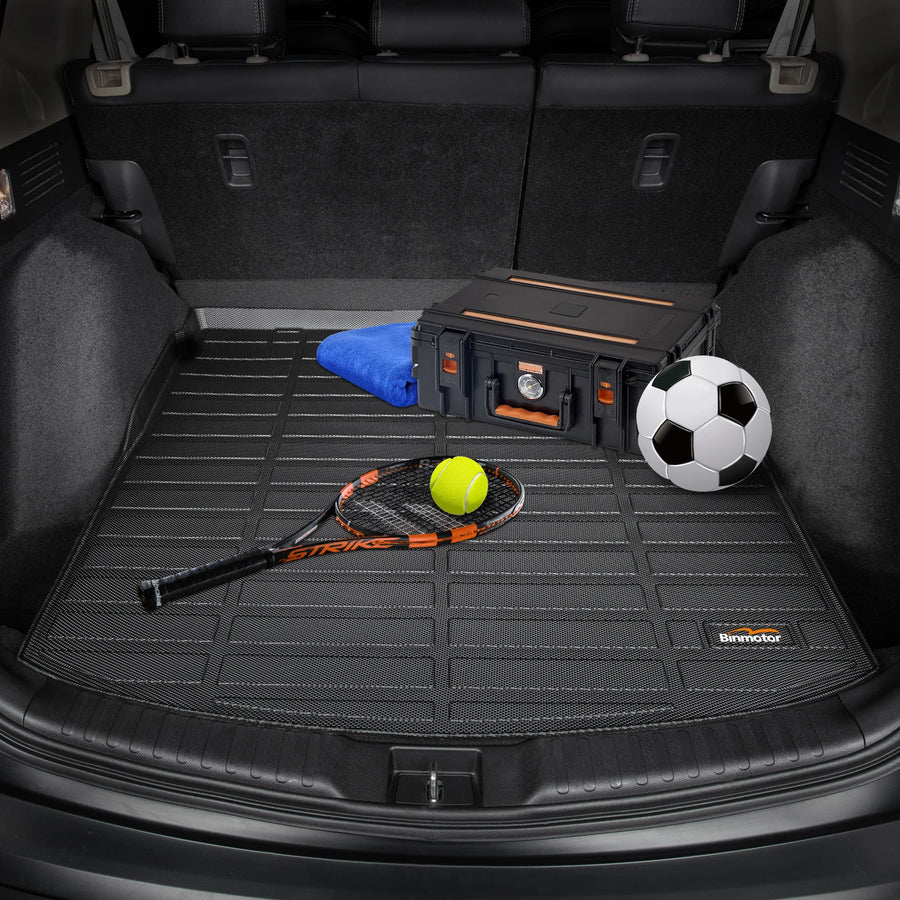
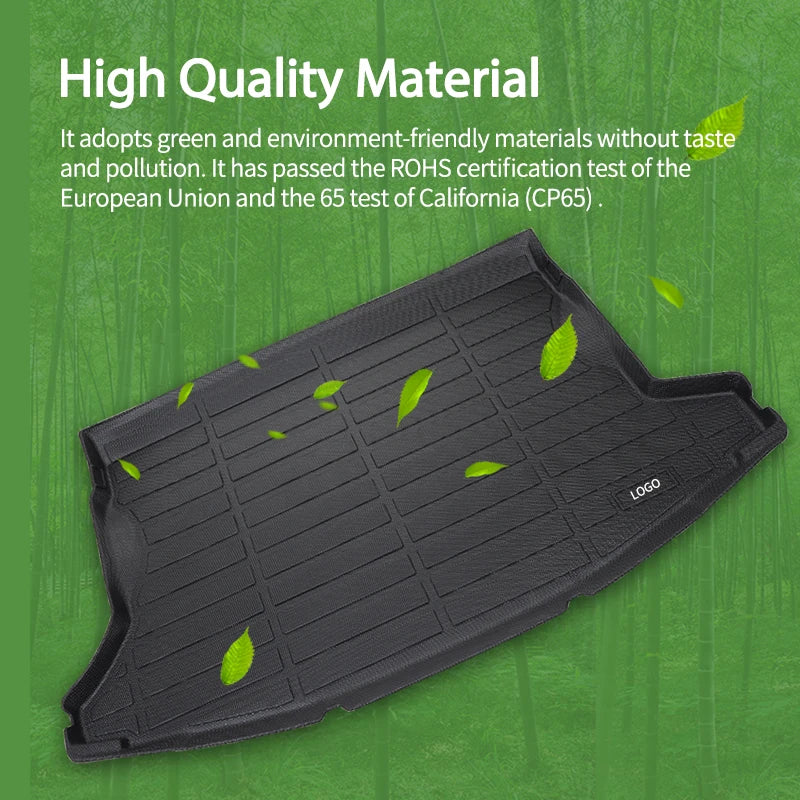
Custom Fit TPE Trunk Mat for Mitsubishi Montero Pajero Sportwhat’s a good trunk mat for mitsubishi montero pajero sport that’s easy to clean
|
When front-only can make sense
Solo commuting, lighter rear-seat use, cleaner routines, and buyers who mainly want to improve the driver and front passenger area first.
When a broader setup makes more sense
Family use, shared vehicles, pets, frequent passengers, cargo-heavy habits, or any routine where the rear and trunk are part of the daily mess story.
Material comes after fit, not before it
Material matters a lot. It changes feel, cleanup, cabin style, and everyday practicality. But it should come after you confirm the shape path. A premium-feeling mat that does not fit properly is still the wrong mat. A super practical easy-clean surface that leaves awkward gaps is still a compromise. Fit comes first. Then material becomes the next smart filter.
The live site currently gives buyers a material-led route too, including TPE mats, leather mats, rubber mats, hybrid material mats, odorless mats, and easy-clean materials. That is a good second step once fitment is narrowed down, not a replacement for it.
How to think about materials in normal life terms
- TPE-style options: usually great if you want easy cleanup, modern molded shapes, and a practical daily-driver feel.
- Rubber-forward utility setups: useful when weather, dirt, and heavier use are leading the decision.
- Leather-look or more premium finish options: good for buyers who care a lot about cabin presentation while still wanting protection.
- Hybrid builds: often a middle path if you want balanced looks and use-case flexibility.
If you want more help here, the live Materials Guide is the right support page instead of trying to decode every listing by instinct.
How to use the site structure to avoid buying mistakes
One of the better things about the current AutoMatSupply setup is that it is not trying to force everyone through one generic catalog. The site is built around fitment, material paths, custom options, and support pages, which is exactly what buyers need when the main goal is getting the right match for a real vehicle.
So here is the easiest way to use that structure:
- Start with By Vehicle if fit is your main concern.
- Use Floor Mats if you want a broad overview first.
- Move to By Material once the shape question is narrowed.
- Add Trunk Mats or Seat Back Protectors if your vehicle use extends beyond the front row.
- Use the help pages before guessing on details you are not sure about.
The support section currently includes a live Vehicle Fitment Guide, Materials Guide, Ordering Guide, Help Center, Cleaning & Care Guide, Installation Guide, FAQ, and Contact Us.
Common mistakes people make when trying to find the right fit
- Buying by photo instead of by vehicle details. Images can make almost anything look compatible.
- Skipping year range confirmation. Similar does not always mean same fit.
- Ignoring drive side. This is a huge issue for international or export buyers.
- Treating universal mats like a smart shortcut. Sometimes they are. Often they are a repeat problem.
- Looking at material before shape. The mat has to belong to the vehicle first.
- Solving only the front row when the whole car gets used hard. Fit is a system question for a lot of buyers, not a single-piece question.
What different drivers should focus on
The commuter
If your car is mainly a weekday machine, you probably want neat fit, good pedal-area confidence, and easy cleanup. The right fit keeps the cabin feeling more settled with less daily annoyance.
The family driver
If kids, snacks, backpacks, and rear-seat traffic are constant, think beyond the front pair. Fit should support the whole cabin flow, not just the driver zone.
The SUV owner
If the vehicle works as a mini utility space, you may want a front-rear-trunk mindset. A good fit in the front is not enough if the back half of the vehicle does all the hard work.
The sedan owner
If cabin finish matters to you, fit gets even more noticeable. Sedans often reward cleaner, tighter-looking mat shapes because the interior reads as one visual field.
The pet owner
If your dog is a regular passenger, rear and cargo fit may matter almost as much as the front. Think about where the mess actually shows up, not where you happen to look first.
Questions buyers ask all the time
How do I know if a floor mat really fits my car?
Start with the exact vehicle details: make, model, year range, and drive side if relevant. A real fit depends on more than one label line.
Are custom-fit mats really worth it?
For a lot of buyers, yes. Better fit usually means better coverage, cleaner looks, and less daily irritation. If the car gets used often, that difference adds up quickly.
What if I am not sure about the material yet?
That is fine. Confirm the fit path first, then compare materials. Use the Materials Guide once you know which vehicle-fit path you are in.
Should I buy trunk protection at the same time?
If your trunk is active with groceries, pet gear, strollers, work items, or sports bags, it is smart to at least consider it during the same shopping session. It often solves the larger mess story more completely.
Where should I go if I still need help?
Use the Help Center, the Vehicle Fitment Guide, the Ordering Guide, the FAQ, or go directly to Contact Us. Those support routes are currently live on the site.
- The right fit starts with exact vehicle details, not vague product promises.
- Year range, generation, and drive side can change compatibility in big ways.
- Fit should come before material choice.
- For many buyers, front-only is not the whole solution.
- Using the site’s vehicle and support paths makes the process easier and more accurate.
Wrap-up
Finding the right-fit floor mats is really about lowering friction. You want mats that sit where they should, cover what they should, and make the car feel easier to use, easier to clean, and more complete. That means getting serious about the details early instead of hoping “close enough” will somehow feel better once it arrives.
If you want the cleanest route, start with By Vehicle, compare general formats under Floor Mats, refine your choice through By Material, and add Trunk Mats or Seat Back Protectors if your routine clearly calls for them. When in doubt, use the fitment and help pages instead of forcing a guess. That is the smarter buy.


