

So let's fix this. I've gathered the best solutions—from five‑minute DIY fixes to long‑term investments—so you can drive without looking down at your feet every minute.
⚠️ First: Why Sliding Mats Are A Safety Issue
You might think 'a little creep never hurt anyone.' But here's what can happen when a mat slides forward. It can get trapped under the accelerator pedal, holding it down while you're trying to brake. Or it can slide under the brake pedal, stopping you from fully pressing it. Both scenarios are terrifying. NHTSA has received hundreds of complaints about this exact problem, with a dozen serious accidents linked to mat‑pedal interference between 2006 and 2009 alone. More recently, in 2025, Lucid recalled over 4,000 all‑weather floor mats because they could slide forward and interfere with the accelerator. Lucid's mats had nibs on the bottom but no anchor holes—nothing to lock them in place. The result? Unintended acceleration risk.
Automotive manufacturers—Toyota, GM, Lucid, and others—have all confirmed that improperly secured floor mats pose a real crash risk. So this isn't just about cleanliness or convenience. It's about keeping control of your car when you need it most.
A quick word on materials: Carpet mats generally have more natural friction against vehicle carpeting than rubber or TPE (thermoplastic elastomer) mats. Rubber mats—especially all‑weather ones—tend to slide more because their smooth underside doesn't grip well on factory carpet. TPE mats are often engineered with anti‑slip nibs, giving them better grip than standard rubber, but no mat material can stay put without proper retention.
🔧 9 Ways To Stop Mats From Sliding (From Easiest To Most Permanent)
1. Start With a Clean Floor • 2 Minutes
This sounds too obvious, but it's the most overlooked fix. Dirt, sand, and dust act like tiny ball bearings under your mat. Vacuum the floor carpet thoroughly, then wipe it with a damp cloth to remove dust and oils that reduce adhesion. This single step can instantly improve grip.
2. Find And Use Factory Retention Anchors • 5 Minutes
Many vehicles—Toyota, Honda, GM, Ford, Mazda—have built‑in anchor posts or hooks on the driver's side floor. Check your owner's manual for locations. If your mat has matching grommets or holes, align and snap them onto the anchors. This mechanical connection is the single most effective prevention method.
3. Heavy‑Duty Velcro Strips • 10 Minutes • Low Cost
Hook‑and‑loop fasteners (Velcro) are a Reddit favorite. Attach the hook side to the underside of your mat, press firmly, then install the mat. The loop side grips your car's carpet effectively. Look for industrial‑grade, heat‑resistant, waterproof Velcro designed for automotive use.
4. Double‑Sided Carpet Tape • 10 Minutes • Low Cost
Apply tape to the edges and corners of your mat's underside where sliding typically starts. Press down firmly after positioning the mat. Double‑sided tape provides strong adhesion without damaging your car's floor, but residue may remain when removed after months of use.
5. Silicone Caulk • 20 Minutes + Drying Time • Low Cost
Apply a bead of silicone caulk to the mat's underside and let it cure completely before reinstalling. The cured silicone creates a grippy, rubbery surface that grabs carpet without being permanent. It's cheap, easy, and surprisingly effective.
6. Anti‑Slip Pad / Rug Gripper • 10 Minutes • Very Low Cost
These are the mesh or rubber pads sold for keeping area rugs in place. Place one under your floor mat to add friction between the mat and your car's carpet. Inexpensive and removable—perfect for renters or those who swap mats seasonally.
7. Aftermarket Retention Anchor Systems • 15–20 Minutes • Moderate Cost
Products like Eagle Klaw ($25–30) feature mini‑grappling hooks that burrow into carpet fibers. Installation involves cutting small holes in your mat (if no grommets exist) and pressing the anchor assembly through. These provide permanent mechanical retention and work on vehicles without factory anchors.
8. Choose Heavier, Purpose‑Built Mats • Immediate • Higher Cost
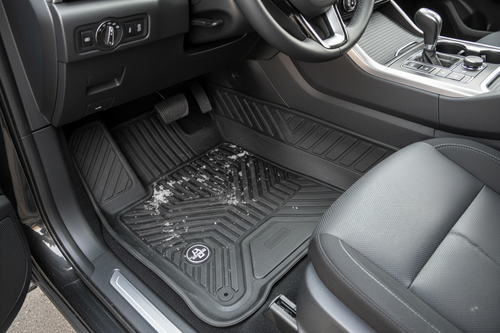
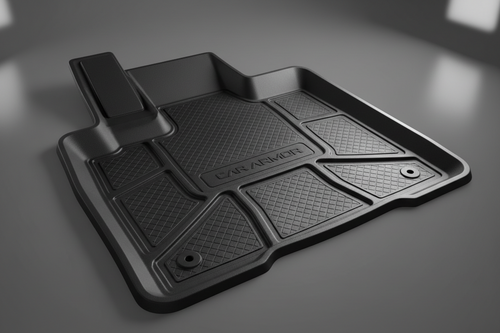
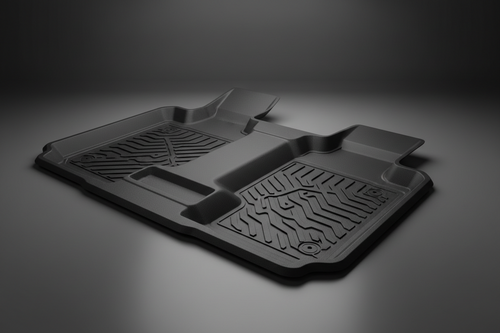
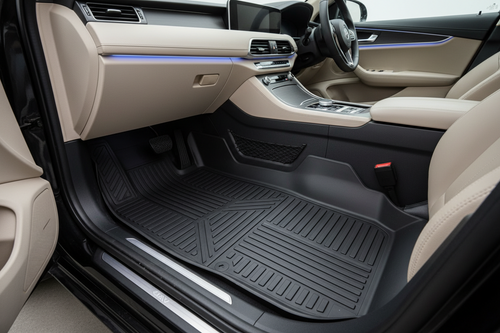
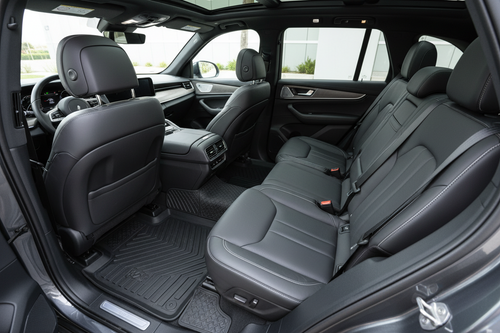
Cheap, lightweight universal mats slide more because they have less mass and poor backing. Heavier custom‑fit mats with built‑in retention are designed to stay put. WeatherTech, Husky, and LASFIT mats feature anti‑slip nibs, retention hooks, and 3D laser scanning for a precise fit.
9. Replace With Custom‑Fit TPE Mats • 30 Minutes • Best Long‑Term Solution
This is the best permanent fix. Custom-fit TPE mats are laser‑scanned for your specific vehicle, so they fill the footwell completely, leaving no room for movement. They also come with built‑in anti‑slip nibs and grommets that align with factory anchors. Once installed, they don't slide—period.
❌ The "Never Do This" Section (Seriously, Read This)
Avoid these common mistakes that make sliding worse—or create new safety hazards.
Never stack floor mats. Placing an all‑weather mat on top of a factory carpet mat defeats retention anchors, raises the floor height, and reduces pedal clearance. Kia and Mazda owner's manuals explicitly warn against this, and NHTSA has linked stacking to pedal entrapment incidents.
Never use tire shine or rubber conditioner on floor mats. These products leave a slippery film that belongs on sidewalls—not on surfaces your shoes contact. Reduced friction means your foot can slip off pedals, especially in an emergency.
Avoid cheap PVC universal mats. They're lightweight, have shallow friction surfaces, and slide easily on most car carpets. They also curl in heat and crack in cold weather.
🧼 Maintenance: Keeping Mats Secure Over Time
Even the best‑installed mats can start sliding if maintenance isn't maintained. Here's what to check regularly.
- Vacuum under mats weekly. Sand and debris accumulate and reduce friction over time. This takes two minutes.
- Check retention hooks after cleaning. Mats removed for washing are often reinstalled incorrectly. Re‑engage factory anchors or Velcro every time.
- Monitor for curled edges. A curled mat edge catches your shoe when entering or exiting, gradually shifting the whole mat out of position.
- Test movement monthly. Sit in the driver's seat and try to push the mat forward with your foot. Any movement more than one centimeter means your retention system needs attention.
🛒 When To Upgrade Your Mats
If none of these fixes stop your mats from moving—or if you're tired of reapplying Velcro every few months—it may be time for an upgrade. Here's what to look for in non‑slip mats.
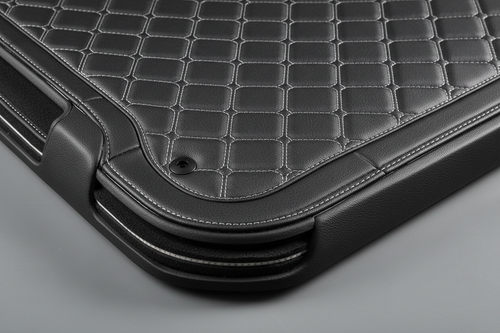
Custom‑fit design: Mats that are laser‑measured for your specific vehicle's year, make, and model provide the best coverage and stability. Universal mats leave gaps where dirt can escape and don't engage factory retention points.
TPE material: Thermoplastic elastomer offers the flexibility of rubber without odor or cracking, plus built‑in anti‑slip nibs that grab carpet fibers.
Factory anchor compatibility: Quality mats come with pre‑cut grommets positioned to match your vehicle's floor hooks or posts.
Raised edges: Deep sidewalls trap spills and prevent them from reaching carpet. Maintenance is easier because you're not cleaning both the mat and the carpet.
Warranty: Premium custom‑fit mats often include multi‑year or lifetime warranties against curling, cracking, and material defects.
At AutoMatSupply, you can shop by exact vehicle make and model, compare materials side‑by‑side, and add custom logo embroidery—all while knowing your mats will come with built‑in retention features designed specifically for your car.
# Inspiration & Ideas # Pricing & Costs # Product Ideas # Seasonal Trends # Startup Resources # Supplier Insights
📋 Quick Reference: Fixes Ranked By Effort
- Easiest, free: Vacuum under mat, check factory anchors
- Cheapest materials: Double‑side tape ($5), Velcro strips ($8), silicone caulk ($6)
- One‑time purchase: Aftermarket anchor kit (Eagle Klaw ~$28)
- Best long‑term solution: Custom‑fit TPE mats with built‑in retention ($90–180)
Match the solution to your patience level and budget. Even the cheapest options—cleaning and double‑side tape—can stop 90% of mat movement. For drivers who want a permanent, maintenance‑free fix, custom‑fit mats are worth the investment.
🎯 The Bottom Line
Sliding floor mats aren't a minor annoyance you should learn to live with. They're a safety hazard that automotive manufacturers and safety regulators have linked to unintended acceleration, pedal obstruction, and crashes. The good news is that you don't need special tools or a mechanic to fix the problem. Most solutions take 10 minutes or less and cost under $30. Cleaning your floor carpet is the simplest starting point. Adding Velcro or double‑side tape is a close second. And for drivers who want a permanent, zero‑maintenance solution, upgrading to custom‑fit TPE mats with built‑in retention anchors ensures your floor mats stay exactly where they belong—under your feet, never under your pedals.
🚗 Find Mats Made For YOUR Car → Shop Non‑Slip Floor Mats
Sources: NHTSA recall database (Toyota 2009, Lucid 2025, GM 2024), The Daily Automotive, All Flooring Now, WeatherTech, Eagle Klaw product documentation, and Reddit automotive communities.


